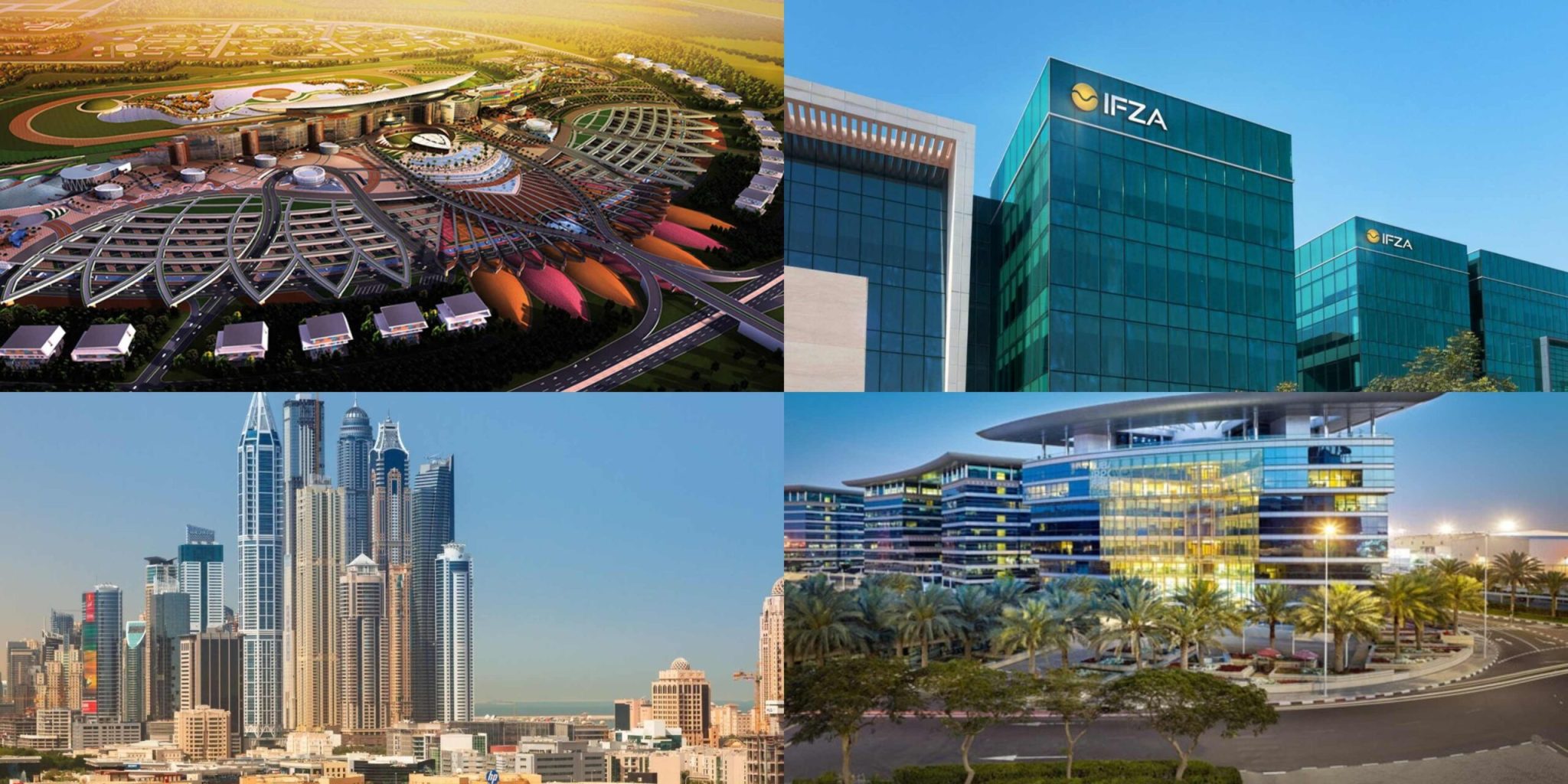
The UAE freezones have become a cornerstone for startup growth, offering a combination of regulatory simplicity, tax incentives, and global connectivity. Startups moving often choose UAE freezones because they provide a structured environment for scaling without the common challenges of mainland registration.
What Makes UAE FreeZones Attractive to Startups
Freezones provide several advantages:
- 100% foreign ownership
- Fast-track licensing and company registration
- Zero corporate and personal income taxes
- Simplified visa and labor procedures
Example: Dubai Multi Commodities Centre (DMCC) has helped over 17,000 companies, including tech startups, secure licenses within days instead of months, allowing founders to focus on growth rather than bureaucracy.
-
Simplified Licensing and Operations offered by UAE Freezones
Free zones offer pre-defined business activities and licenses, allowing founders to quickly determine their company structure.
- Tech startups often choose Dubai Internet City for IT services, software development, and e-commerce.
- Creative ventures prefer Sharjah Media City (Shams) for media production and design services.
Example: A SaaS company from India registered in DMCC used the free zone’s plug-and-play office setup to hire its first team in under a month.
-
Tax Incentives and Financial Benefits
One of the biggest advantages of free zones is the tax framework:
- No corporate or personal income taxes for most business activities
- VAT registration only applies if turnover exceeds AED 375,000
- Repatriation of profits and capital is fully allowed
Example: Renewable energy startups often register in Abu Dhabi’s Hub71 to benefit from tax exemptions while attracting foreign investors.
-
Access to Funding and Networks provided by UAE Freezones
Many free zones collaborate with accelerators, investors, and incubators to give startups a growth edge.
- Hub71 in Abu Dhabi provides funding support and connections to VCs and angel investors.
- Dubai Future Accelerators connect founders to government entities for pilot projects and potential contracts.
Example: A healthtech startup participated in a Hub71 cohort, raising $1.2 million in seed funding within six months while scaling its UAE operations.
-
Infrastructure and Facilities
Free zones offer world-class office spaces, logistics support, and co-working facilities, reducing the overhead of starting a business in a new market.
- Dubai Silicon Oasis provides plug-and-play offices and tech infrastructure for IT companies.
- DMCC’s Innovation Hub includes labs, co-working, and networking spaces for startups experimenting with blockchain and IoT.
-
Regulatory Clarity and Compliance Supports at UAE Freezones
Navigating UAE regulations can be challenging, but free zones provide structured guidance.
- Assistance with licensing, visas, and labour compliance
- Support with audited accounts and WPS compliance
- Dedicated free zone authorities to ensure smooth operations
Example A fintech startup in ADGM avoided delays by using the free zone’s legal support to secure its license and implement compliant banking structures.
UAE FreeZones and the Final Say
UAE Free zones are not just about low taxes; they provide a growth-focused ecosystem that helps startups launch faster, access funding, and scale efficiently. By leveraging simplified licensing, strategic networks, and regulatory support, founders can accelerate their UAE journey.
FounderX helps founders identify the right free zone, structure operations, and ensure compliance, giving startups a fast, smooth path to growth in the UAE.