
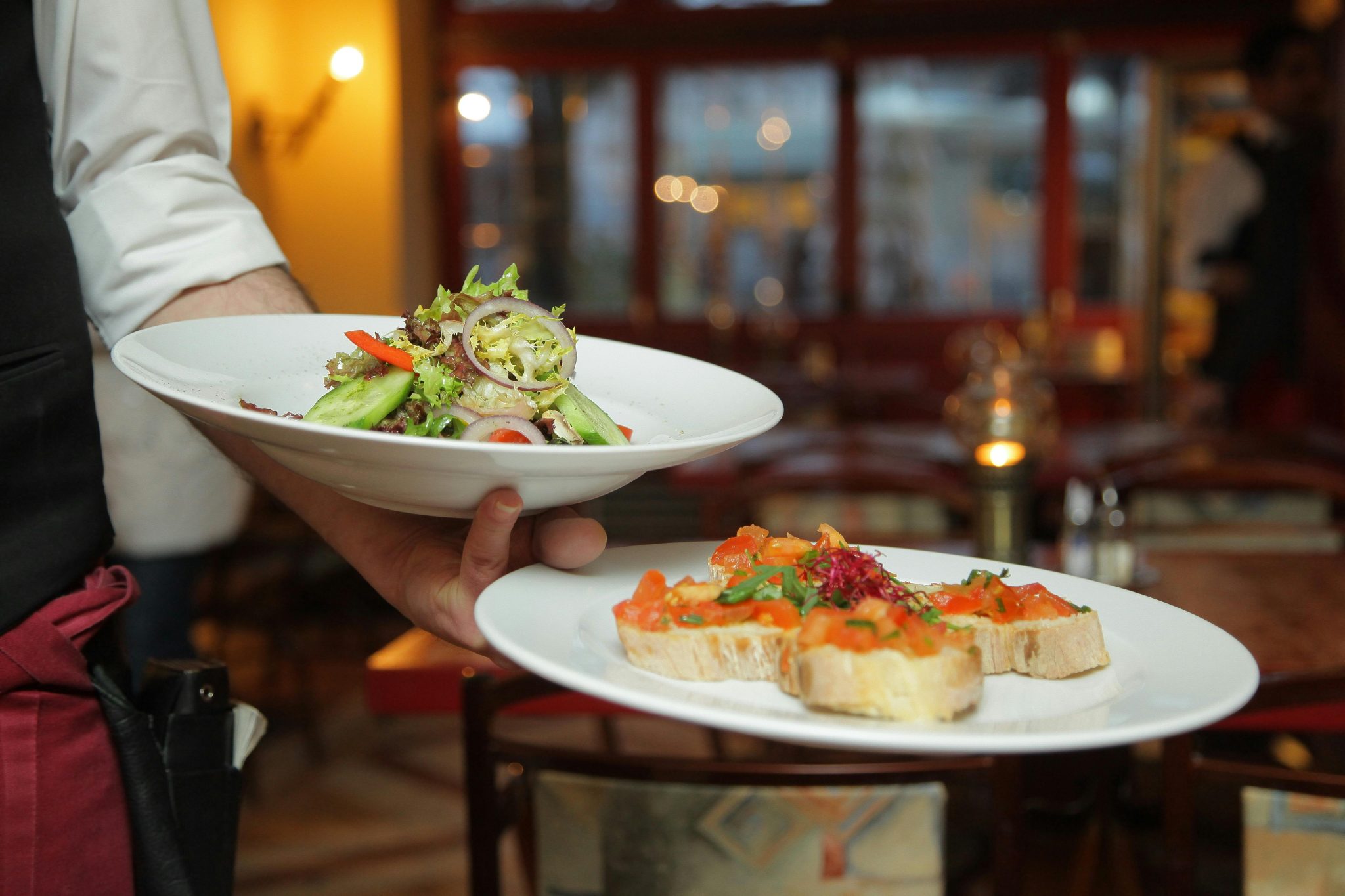
Opening a restaurant in Dubai is a high-reward venture, thanks to the city’s status as a global culinary capital. In 2026, the sector is more vibrant than ever, with major events like Gulfood 2026 showcasing the city as a central hub for food trade and innovation. However, the Food & Beverage (F&B) industry is strictly regulated to ensure the highest public health standards. Succeeding here requires balancing creative culinary vision with meticulous compliance.
Step 1: Define Your Concept and Menu
Before filing any paperwork, you must have a clear business model. Dubai’s market is diverse, and your concept will dictate your specific licensing requirements and equipment needs.
-
Concept Types: Casual dining, fine dining, fast food, specialty cafes, or “cloud kitchens” (delivery-only).
-
Menu Impact: Your menu determines the kitchen equipment you’ll need and the specific Food Safety Department guidelines you must follow. For instance, high-risk activities like serving raw seafood or butchery require more stringent layout approvals.
Step 2: Select Your Jurisdiction
For a restaurant, location is everything. You must choose between two main legal frameworks:
-
Mainland (DED): Most restaurants choose a mainland license because it allows you to serve the public directly anywhere in the city and take advantage of high-footfall street locations. Since recent reforms, you can now enjoy 100% foreign ownership for restaurant activities on the mainland.
-
Free Zones: Ideal for specialized concepts or catering businesses targeting international markets. While free zones offer streamlined setups, they may restrict you to serving customers within that specific zone.
Step 3: Obtain Food and Trade Licenses
You cannot serve food in Dubai without two primary approvals:
-
Trade License: Issued by the Department of Economy and Tourism (DET), this legally registers your business. Costs typically range from AED 10,000 to AED 30,000 annually.
-
Food Establishment Permit: Issued by Dubai Municipality (Food Safety Department). This confirms your premises meet health and safety codes. Expect to pay between AED 6,000 and AED 15,000 for this permit.
Special Permits in 2026:
-
Liquor License: Required if you plan to serve alcohol; fees range from AED 20,000 to AED 50,000.
-
Outdoor Seating: A separate permit from Dubai Municipality is required to set up tables on the sidewalk.
-
Delivery & Signage: Specific permits for branding and third-party delivery operations.
Step 4: Choose a Location and Layout Approval
In Dubai, you cannot finalize your lease until your kitchen layout is approved.
-
Kitchen Requirements: Generally, your kitchen must occupy at least 300 sq. ft. or 40% of the total restaurant area.
-
Layout Assessment: You must submit an engineering drawing to Dubai Municipality showing equipment placement, ventilation, and waste management systems before starting any fit-out work.
-
Ejari: Once approved, you register your lease through Ejari, which is mandatory for your final trade license.
Step 5: Hire Staff and Obtain Visas
The number of visas you can sponsor depends on the size of your restaurant (usually one visa per 80 sq. ft. on the mainland).
-
Health Cards: Every food handler, from chefs to servers, must obtain a Personal Health Card from Dubai Municipality after passing a medical test.
-
PIC Training: Every restaurant must appoint a Person in Charge (PIC) who is trained and certified in food safety protocols.
Step 6: Open a Bank Account and Payment Systems
In 2026, Dubai is a nearly cashless economy. Integrating seamless digital payment systems, including Apple Pay, local debit networks, and delivery platform integrations, is critical. Banks will require your full trade license, MoA, and a clear business plan to open a corporate account.
Estimated Startup Costs for 2026
Opening a restaurant is a significant investment. For a mid-range venture, expect a total startup budget between AED 500,000 and AED 1.5 million, including fit-out and initial working capital.
| Expense Type | Estimated Cost (AED) |
| Trade License (Mainland) | 10,000 – 30,000 |
| Food Safety License | 6,000 – 15,000 |
| Visa Processing (per staff) | 3,000 – 7,000 |
| Kitchen Layout Approval | 500 – 1,000 |
| Fit-out & Equipment | 150,000 – 500,000+ |
FounderX Conclusion
The Dubai restaurant market is competitive, but with a unique concept and strict adherence to the Dubai Food Code, the potential for scale is massive. Success hinges on getting the “unseen” details right, like layout approvals and staff health certifications, before you ever open your doors.
FounderX assists restaurateurs with license approvals, staff visas, operational compliance, and strategic guidance. We handle the bureaucracy of Dubai Municipality and the DET so you can focus on delivering culinary excellence.