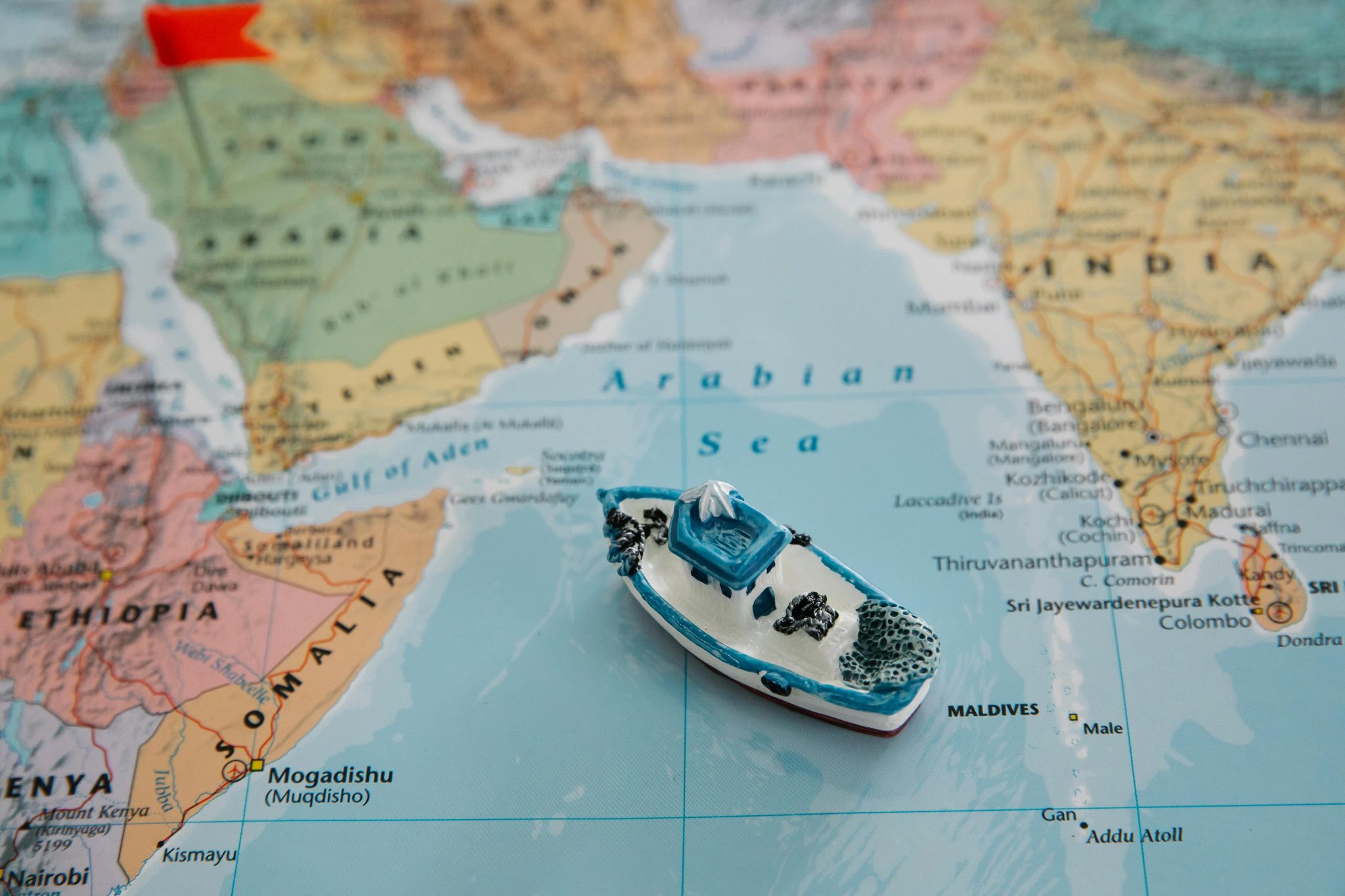
The decision of where to incorporate is the most significant “silent” partnership an entrepreneur will ever enter. In the hyper-connected economy of 2026, a business’s physical address is no longer just a location, it is a strategic asset. The right jurisdiction acts as a tailwind, accelerating growth through fiscal efficiency and operational velocity, while the wrong one acts as a constant headwind of bureaucracy, high taxation, and restrictive labor laws.
To identify an ideal business environment, one must look beyond flashy marketing and analyze the core pillars of the ecosystem: fiscal policy, administrative speed, residency security, and infrastructure.
- The Fiscal Foundation: Profit Retention and Tax Efficiency
The primary metric of a business-friendly nation is its “Tax-to-Growth” ratio. An ideal country understands that early-stage startups need liquidity to survive.
Corporate Tax and Small Business Relief
A common mistake for emerging economies is imposing heavy corporate taxes on day one. In contrast, the UAE’s fiscal model for 2026 is designed to nurture growth. By implementing a 9% corporate tax that only applies to profits exceeding AED 375,000, the UAE ensures that micro and small enterprises (SMEs) can reinvest 100% of their early earnings back into scaling operations, hiring, and R&D.
The Personal Income Tax Benchmark
The ability to draw a salary or dividends without losing 30-50% to personal income tax is a massive competitive advantage. While much of the Western world has increased personal tax brackets to combat national debt, the UAE’s 0% personal income tax remains a cornerstone of its appeal. This doesn’t just benefit the founder; it makes the country a magnet for global top-tier talent who are seeking higher take-home pay.
- Administrative Velocity: The Ease of Doing Business
In 2026, time is the only non-renewable resource. An ideal country treats business registration as a streamlined service rather than a bureaucratic hurdle.
Digital Governance and One-Stop Shops
An ideal jurisdiction offers a “Single Window” for all government interactions. Whether it is applying for a trade license, registering for VAT, or processing employee visas, the process should be fully digitized. The UAE has mastered this through specialized Free Zones like IFZA, where a founder can move from application to an issued license in as little as 48 to 72 hours.
Ownership and Equity Control
Historically, many jurisdictions required local sponsorship, which created significant friction and risk for foreign investors. Today, an ideal hub must allow 100% foreign ownership. This level of control is essential for founders who plan to seek venture capital or eventually exit, as it ensures a clean and transparent cap table.
- Long-Term Stability: The Residency Security Pillar
One of the greatest stressors for an international entrepreneur is the uncertainty of their right to remain in the country where they are building their business.
The Decoupled Residency Revolution
The traditional “visa-per-job” model is a relic of the past. An ideal country offers long-term residency that is decoupled from specific corporate sponsorship. The UAE’s 10-year Golden Visa has set a global standard in this regard. By granting founders long-term security, the government allows them to focus on 10-year visions rather than 2-year visa renewal cycles.
Family and Lifestyle Integration
Entrepreneurship is a family endeavor. A country becomes “ideal” when it provides a safe, high-quality environment for the founder’s family, including world-class education, healthcare, and a simplified process for sponsoring dependents.
- Infrastructure and Ecosystem Enablers
A business exists within a physical and digital world. If the roads are congested, the internet is slow, or the banks are unresponsive, the business will struggle.
Logistics and the “Last-Mile” Standard
For businesses in e-commerce or physical retail, infrastructure is everything. The UAE’s ports and airports are world-class, but it is the “last-mile” infrastructure that defines 2026. The expectation for sub-15-minute delivery for essentials is now a reality in Dubai, supported by a world-leading logistics network that enables businesses to meet modern consumer demands effortlessly.
Financial and Tech-Stack Integration
Access to modern corporate banking and frictionless payment gateways (like Apple Pay, Aani, and BNPL services like Tabby) is non-negotiable. An ideal country ensures that its banking sector is integrated with the latest fintech, allowing for instant B2B and B2C transactions.
- Why the UAE is the Global #1 in 2026
While countries like Singapore and Estonia offer impressive digital frameworks, the UAE takes the top spot because it combines fiscal efficiency with a hyper-growth physical market.
- Market Regulation: By mandating trade licenses for all commercial activity (including sellers on major platforms), the UAE ensures a high-quality, regulated market that protects legitimate business owners from “grey market” competition.
- Strategic Location: Positioned as the bridge between East and West, the UAE offers a neutral ground for international trade that is unmatched in its connectivity.
- Founder-Centric Policy: Initiatives like the IFZA “Free for Life” Visa show a government that isn’t just “allowing” business but is actively incentivizing it.
Build Your Legacy with FounderX
Choosing the right country is the most important decision you will make this year. At FounderX, we specialize in making the UAE’s world-class policies work for your specific vision.
Whether you are launching a specialized service agency, a boutique neighborhood grocery, or a high-growth e-commerce brand, we provide the legal and structural architecture required for a 2026 success story. From navigating the 9% Corporate Tax threshold to ensuring your business is “bank-ready” from day one, we handle the friction so you can focus on building.