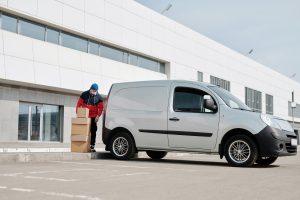

As e-commerce continues to boom in the UAE, delivery operations have become a critical part of business success. Efficient logistics, timely deliveries, and fleet management are essential. However, operating a commercial delivery fleet legally in Dubai requires proper Roads and Transport Authority (RTA) permits.
RTA permits ensure that your vehicles comply with local regulations, safety standards, and commercial usage laws. Without proper permits, businesses risk fines, vehicle impoundment, and operational disruptions. This guide explains how to get RTA permits for your e-commerce delivery fleet, step by step, and what founders need to know to stay compliant.
Understanding RTA permits for delivery vehicles
RTA permits are official authorizations allowing commercial vehicles to operate legally on Dubai roads. They are essential for:
- Delivery vans and trucks
- Refrigerated or specialized e-commerce vehicles
- Last mile delivery fleets
Permits regulate commercial use, vehicle weight, licensing, and operational safety.
Types of RTA permits for e-commerce fleets
The RTA issues different permits based on vehicle type and business activity. Common types include:
- Commercial Vehicle Permit – For vans, trucks, and larger vehicles used for goods transport.
- Light Vehicle Delivery Permit – For cars and small vans making last mile deliveries.
- Freight and Cargo Permit – For bulk or specialized deliveries.
- Temporary Permit – For trial or seasonal operations before fleet expansion.
Selecting the correct permit type is critical for compliance.
Eligibility requirements for RTA permits
To apply for an RTA permit, your business must meet several eligibility requirements:
- Valid UAE trade license specifying logistics or delivery operations
- Proof of company registration with the UAE authorities
- Commercial vehicle ownership or lease agreements
- Active insurance coverage for commercial vehicles
- Designated fleet manager responsible for operations
Meeting these requirements ensures your application is accepted without delays.
Vehicle documentation requirements
Each vehicle in the fleet must have:
- Registration card (Mulkiya) for each vehicle
- Valid insurance for commercial use
- Vehicle inspection certificates (if required)
- Vehicle weight and load compliance certificates
Incomplete documentation is one of the main reasons applications get rejected.
Steps to apply for RTA permits
Step 1: Prepare documentation
Gather all company documents, vehicle registrations, and insurance certificates. Ensure your trade license clearly states logistics or delivery activities.
Step 2: Vehicle inspection
Some vehicle types may require RTA inspection to verify roadworthiness, load capacity, and safety compliance.
Step 3: Online application
Apply via the RTA e-services portal or RTA mobile app. Upload all required documents and select the correct permit type.
Step 4: Payment
Pay the permit fee online. Fees vary depending on vehicle size, type, and permit duration.
Step 5: Permit issuance
Once approved, the RTA issues the official permit digitally. Display or carry the permit as per regulations.
Key considerations for e-commerce businesses
- Fleet size and scalability – Apply for permits based on current fleet and plan future additions.
- Vehicle types – Refrigerated vans, cargo vehicles, and bikes may require additional certifications.
- Delivery zones – Ensure permits cover all operational areas within Dubai or other emirates.
- License activity alignment – Ensure trade license matches RTA application.
Proper alignment prevents operational delays and legal issues.
RTA inspection and compliance checks
RTA can conduct inspections to ensure:
- Vehicles comply with road safety standards
- Drivers are licensed and trained
- Load capacity is not exceeded
- Permits are valid and displayed
Failing inspections may lead to fines or suspension of permits.
Duration and renewal of RTA permits
RTA permits are usually issued for one year, after which they must be renewed. Renewal requires:
- Updated vehicle documents
- Payment of renewal fees
- Confirmation of compliance during the previous year
Timely renewals prevent operational interruptions.
Common mistakes to avoid
- Using personal vehicles without commercial permits
- Not updating trade license before applying
- Submitting incomplete vehicle documents
- Ignoring permit renewal deadlines
Avoiding these mistakes saves time, money, and ensures uninterrupted operations.
Insurance and liability considerations
Commercial delivery insurance is mandatory. Key points:
- Covers vehicle damage, goods in transit, and third-party liability
- Premiums vary by fleet size and vehicle type
- SIRA and RTA often require proof of valid insurance before issuing permits
Insurance protects your business and customers.
How RTA permits impact banking and company operations
Banks and financial institutions often require proof of valid permits to approve business loans or fleet financing. Additionally:
- Permits validate your logistics operations
- Help attract corporate clients and contracts
- Reduce legal risk for investors
Permits demonstrate operational credibility.
Tips for smooth application process
- Consult with a local business setup expert before applying
- Keep digital and hard copies of all documents
- Align fleet expansion with permit applications
- Ensure trade license and Ejari address match operational address
- Maintain compliance logs for RTA audits
Preparation reduces delays and errors.
Long term considerations
As your e-commerce business grows, consider:
- Transitioning to fleet management software for compliance tracking
- Expanding delivery zones across emirates
- Upgrading vehicle types for specialized deliveries
- Regular training for drivers on traffic and safety regulations
These practices ensure sustainability and legal compliance.
Future outlook for e-commerce fleets in Dubai
With e-commerce growth in the UAE, RTA is expected to:
- Streamline permit applications digitally
- Introduce regulations for electric and autonomous delivery vehicles
- Monitor fleet safety and traffic compliance more closely
Businesses that stay ahead of regulations gain operational advantage.
Final thoughts
RTA permits are essential for any e-commerce delivery fleet in Dubai. They ensure legal operation, safety compliance, and credibility with clients and investors. By understanding requirements and following a structured application process, founders can avoid delays and scale their logistics operations efficiently.
Managing an e-commerce fleet can be complex, especially when it comes to RTA permits, inspections, and renewals.
FounderX helps founders obtain RTA permits, align trade licenses, prepare vehicle documentation, and ensure compliance for smooth fleet operations in Dubai.
From fleet setup to renewal management, FounderX simplifies the process and supports scalable logistics operations.
Connect with FounderX today and get your delivery fleet legally on the road.