
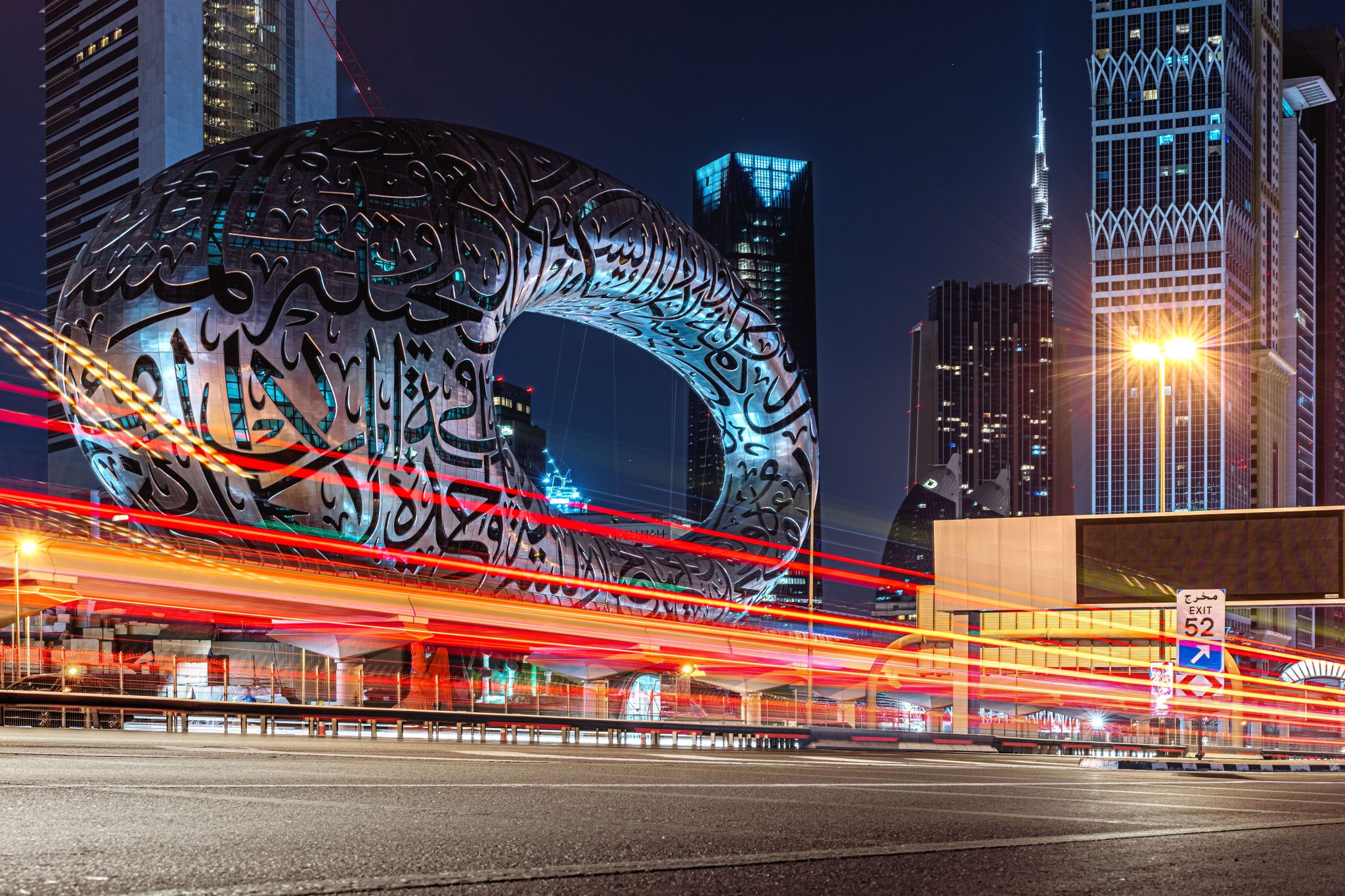
Dubai 2033: How Forward-Thinking Policies Are Shaping Startup Growth
Choosing where to launch a startup is about more than finding an affordable licence. Founders also need customers, skilled people, suitable infrastructure and opportunities to grow.
For entrepreneurs considering business setup in Dubai, the city’s long-term economic direction offers useful insight into where those opportunities could emerge.
The Dubai Economic Agenda, known as D33, aims to double the size of Dubai’s economy by 2033 and strengthen its position among the world’s leading cities for living, investing and working. Alongside this agenda, initiatives focused on artificial intelligence, investment and sustainability are shaping the environment in which startups operate.
So, what does this mean for someone planning a business startup in Dubai? Here is how these policies connect to practical decisions founders need to make.
1. D33 Gives Founders a Clearer View of Dubai’s Economic Priorities
Launched in January 2023, D33 includes 100 transformative projects and combined economic targets of AED 32 trillion over the following decade. Its ambitions include expanding foreign trade and adding 400 cities as trading partners. These are targets, rather than outcomes already achieved.
For founders, the value of an economic agenda lies in understanding the problems businesses and public organisations may need help solving.
A growing trade network, for example, can create potential demand for better inventory management, cross-border payment tools, delivery coordination and supplier services. These are possible commercial opportunities, not guaranteed results of the policy.
Before committing to company formation in Dubai, ask:
- Which customers would benefit from your product?
- What problem are they already paying to solve?
- Does your solution support a developing industry?
- Can the business expand beyond its first market?
Use Dubai’s economic priorities to guide your research, then test your idea with actual customers.
2. Mainland and Free Zone Options Support Different Business Models
A strong business environment still requires a setup that fits your operations.
When comparing business setup in Dubai mainland with a free zone, start with your activities, customer locations, premises and hiring requirements.
Many activities allow full foreign ownership, subject to the competent authority’s requirements and rules for strategic-impact activities. A local shareholder is therefore not a universal requirement for mainland businesses.
For founders exploring business setup in Dubai free zone, mainland access also deserves attention. Dubai’s Free Zone Mainland Operating Permit framework provides an authorised route for eligible companies to conduct relevant activities in the mainland. It does not mean every free zone licence automatically covers all mainland operations.
The practical lesson is straightforward: choose a setup around how your company will earn revenue, rather than selecting a package based only on its advertised price.
3. AI Initiatives Create Opportunities for Practical Solutions
Dubai’s technology ambitions extend beyond attracting companies with an “AI” label.
The Dubai Universal Blueprint for Artificial Intelligence aims to accelerate AI adoption and support an environment for technology companies and global talent. It connects AI development with the city’s wider economic objectives.
For startups, this direction suggests opportunities to investigate in areas such as:
- Automating repetitive administrative tasks.
- Improving customer support across languages.
- Helping businesses forecast demand.
- Simplifying document processing.
- Reducing delays in logistics operations.
These examples are potential business applications, rather than a list of government-funded opportunities.
A successful AI business still needs reliable technology, responsible data handling and a measurable benefit for its customers. Saving a client time or reducing operating costs is a stronger starting point than following a trend.
4. Accelerator Programmes Can Help Startups Test Their Ideas
Access to potential customers can be just as valuable as access to funding.
Dubai Future Accelerators connects startups with government and private-sector organisations to work on predefined challenges. Its model brings early-stage innovation together with organisations capable of testing solutions at a larger scale.
For a startup, a relevant programme can provide a setting to understand operational requirements, gather feedback and assess whether a product solves a meaningful problem.
However, founders should review each programme’s selection criteria, application windows and terms. Participation should not be assumed to include investment or a commercial contract.
Before applying, prepare a clear explanation of your solution, evidence that it works and a realistic plan for a pilot.
5. Investment Infrastructure Supports Ambitious Businesses
Dubai’s startup ecosystem includes initiatives designed to support venture investment.
The Dubai Future District Fund invests both in venture capital funds with a local focus and directly in startups. Its mandate includes encouraging startup activity and supporting the development of future industries.
This adds to the investment environment founders can explore. It does not remove the need to build an investable business.
If fundraising is part of your growth plan, prepare:
- Evidence of customer demand.
- A clear revenue model.
- Financial records and realistic forecasts.
- A documented ownership structure.
- An explanation of how investment will support growth.
Treat access to investors as an opportunity to earn confidence through evidence. Business registration alone will not secure funding.
6. Tax Planning Remains Part of Business Setup
Founders should assess tax obligations alongside licensing and operating costs.
One important distinction concerns free zone companies. The Federal Tax Authority explains that Qualifying Free Zone Persons can benefit from a 0% corporate tax rate on qualifying income, subject to the relevant conditions. This is not an automatic exemption for every business registered in a free zone.
Before selecting a structure, understand how your proposed activities and income sources affect your position. Plan for bookkeeping, applicable registrations, filing obligations and professional support.
A setup decision that looks attractive on day one should also make operational and financial sense as the business grows.
7. Sustainability Creates Problems Worth Solving
Dubai’s economic future also includes a long-term focus on cleaner energy and lower emissions.
DEWA identifies Dubai’s Clean Energy Strategy 2050 and Net Zero Carbon Emissions Strategy 2050 as supporting the target of providing 100% of energy production capacity from clean sources by 2050. This is a separate timeline from D33’s 2033 horizon.
For entrepreneurs, this direction suggests areas worth researching, including energy monitoring, building efficiency, waste reduction, sustainable materials and fleet management.
The strongest business case will connect an environmental benefit with a practical customer need. For example, a tool that helps a building operator identify wasted electricity can offer both efficiency improvements and potential cost savings.
Founders should validate demand and any technical or regulatory requirements before investing in development.
8. Long-Term Residency Options Can Support Founder Planning
Building a company often requires a commitment that extends well beyond its launch.
The UAE’s Golden Visa framework includes categories for eligible entrepreneurs, investors and specialised talent. Qualification depends on the relevant category and its supporting requirements. Opening a company does not automatically qualify its owner.
For eligible founders and team members, long-term residency can support planning around relocation and business development.
However, residency, company licensing and permission to work are separate matters. Review each requirement as part of your setup and recruitment plans.
Turning Dubai’s Economic Direction Into a Startup Plan
Dubai’s policies provide a useful backdrop for entrepreneurship. Your business still needs a focused plan that connects its product to paying customers.
Before starting company formation in Dubai:
- Validate demand: Speak to potential customers and test their willingness to pay.
- Confirm your activities: Check that the proposed licence covers your work.
- Compare setup options: Assess mainland and free zone choices against your operations.
- Budget beyond incorporation: Include premises, staffing, banking, accounting and renewals.
- Find relevant support: Explore programmes and investors suited to your sector and stage.
When comparing business setup consultants in Dubai, look for a clear explanation of why a particular structure fits your business and what its ongoing requirements involve.
Build With Dubai’s Future in Mind
D33 gives entrepreneurs a clearer view of Dubai’s ambitions through 2033. AI adoption, investment initiatives and sustainability programmes provide further areas for founders to explore.
The opportunity lies in connecting those priorities with a real customer problem—and choosing a business structure that supports the solution.
Planning your business setup in Dubai? Speak to FounderX about your activities, ownership plans and growth goals to understand the setup options relevant to your startup.